Have you ever seen someone boil bananas in water and wondered what could possibly happen if you drank the liquid afterward?
The idea has become popular online, especially among people looking for simple bedtime drinks, natural wellness routines, or alternatives to sugary beverages. The recipe is surprisingly simple: place one or two bananas in water, simmer them for several minutes, and drink the resulting liquid.
But does banana water actually have special health benefits—or is it simply another internet wellness trend?
The answer is more interesting than you might expect.
What Exactly Is Banana Water?
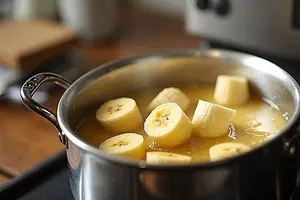
Banana water is essentially water that has been heated with banana pieces.
During cooking, some compounds from the banana can move into the surrounding water. Exactly how much ends up in the drink depends on factors such as the type of banana, whether the peel is included, how long it is boiled, the amount of water used, and whether the banana itself is eaten afterward.
That means there isn’t one standard nutritional profile for “banana water.”
And there’s an important difference between drinking the water and eating the banana.
When you eat the whole fruit, you consume its fiber, carbohydrates, minerals, and other components. If you only drink the cooking liquid, you don’t necessarily get all of those nutrients.
Why Are People Drinking It Before Bed?
One of the biggest claims surrounding banana water is that it can help people relax or sleep better.
There is a reasonable nutritional idea behind this trend: bananas contain nutrients and compounds that have been studied in relation to sleep and relaxation.
However, that doesn’t mean boiling two bananas automatically creates a powerful natural sleep remedy.
Research on bananas and sleep is still limited. One small study involving people with insomnia found improvements in some sleep measures after participants consumed a portion of banana at bedtime, but the study was small and does not establish that banana water itself treats insomnia.
More broadly, research suggests that overall dietary patterns can be associated with sleep quality, but that is very different from proving that one particular drink will make someone fall asleep.
So if you enjoy a warm cup of banana water at night, there’s nothing inherently mysterious about the ritual—but it shouldn’t be considered a guaranteed sleep treatment.
Does Boiling Make the Banana More Nutritious?
Not necessarily.
Cooking changes food chemically and physically. Some nutrients and compounds can move from food into the cooking water, while other nutrients may remain in the fruit.
This means the liquid could contain some substances that have moved out of the banana, but the exact amount is difficult to predict without analyzing the finished drink.
There’s also a simple nutritional point that’s easy to overlook:
If you throw away the banana after boiling it, you’re throwing away much of the food itself.
If your goal is to get the nutritional benefits of bananas, eating the fruit generally gives you more of the whole food—including its fiber—than simply drinking the water.
What About Potassium?
Bananas are well known for containing potassium.
Potassium is an essential mineral involved in normal muscle and nerve function, and healthy kidneys help maintain the right amount of potassium in the blood.
For most healthy people, potassium from normal foods is part of a balanced diet.
But there is an important exception.
People with chronic kidney disease or kidney failure may need to carefully manage their potassium intake. NIDDK lists bananas among higher-potassium foods and explains that people with impaired kidney function may have difficulty removing excess potassium from the blood.
That’s why a drink shouldn’t automatically be considered healthy for everyone simply because it contains fruit.
If you’ve been told to restrict potassium, check with your doctor or dietitian before regularly drinking banana water.
Can Banana Water “Detox” Your Body?
This is where internet claims often go too far.
You may see banana water described as a detox drink that cleanses the kidneys, removes toxins, or flushes harmful substances from the body.
There isn’t good evidence that boiling bananas creates a special detoxifying beverage.
Your body already has organs—including the liver and kidneys—that perform important waste-processing and filtering functions.
A homemade drink can be part of someone’s normal diet, but there’s no need to turn it into a miracle cure.
What Happens If You Drink It Every Day?
For a healthy person, an occasional cup of banana water is unlikely to be particularly remarkable—good or bad.
The bigger question is what you’re using it instead of.
If you’re replacing a sugary soda or heavily sweetened nighttime drink with plain banana water, you may simply be choosing a less sugary beverage.
But if you’re drinking banana water because you believe it will cure insomnia, cleanse your kidneys, burn fat, or dramatically improve your health, the evidence doesn’t support those expectations.
And drinking more isn’t necessarily better.
Should You Eat the Banana Too?
If you’re making banana water for nutritional reasons, consider eating the cooked banana rather than throwing it away—assuming the texture and preparation are appealing to you.
The whole fruit provides fiber and nutrients that aren’t necessarily transferred completely into the water.
You can also simply eat a banana as part of a balanced meal or snack without boiling it at all.
There’s no requirement to turn a nutritious fruit into a complicated wellness recipe.
A Simple Way to Make Banana Water
If you want to try it simply as a warm beverage, you can keep the recipe basic:
- Wash the banana thoroughly.
- Slice it into a few pieces.
- Place it in a saucepan with water.
- Bring the water to a gentle boil.
- Reduce the heat and simmer for several minutes.
- Strain the liquid into a cup.
- Allow it to cool to a comfortable drinking temperature.
Avoid adding large amounts of sugar simply to make the drink taste better.
If you’re experimenting with the recipe, remember that changing the amount of water or cooking time will also change the resulting drink.
What About the Banana Peel?
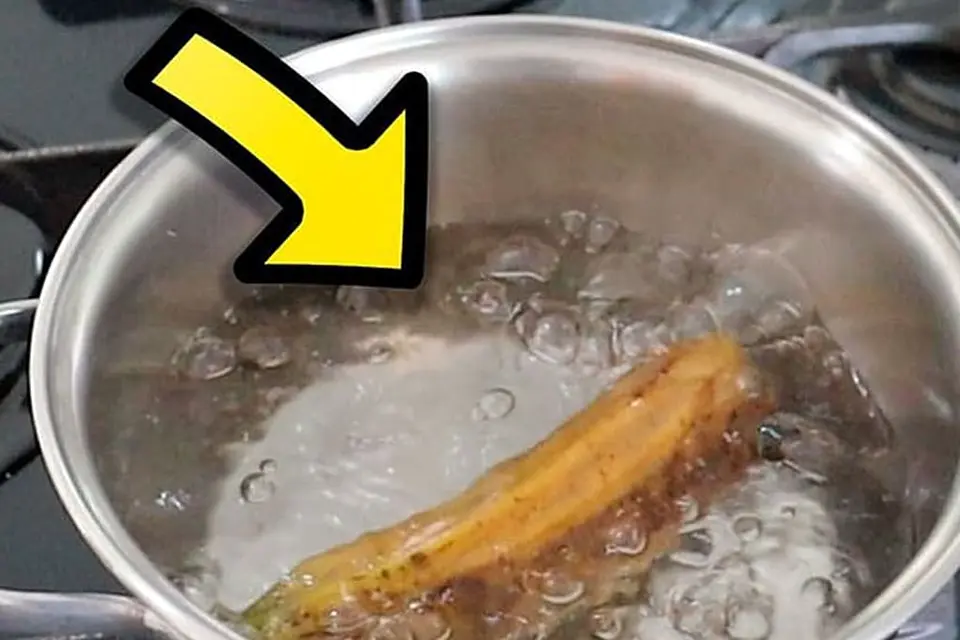
Some versions of banana-water recipes include the peel.
If you plan to use the peel, wash the banana thoroughly first.
However, there’s no strong reason to assume that including the peel automatically makes the drink healthier. Online recipes sometimes make very specific claims about nutrients extracted from banana peels, but the benefits of a particular homemade banana-peel drink depend on its preparation and aren’t established simply because the peel was boiled.
Who Should Be Careful?
Most healthy adults don’t need to be afraid of an occasional banana-based drink.
However, extra caution makes sense if you:
- Have chronic kidney disease
- Have kidney failure or receive dialysis
- Have been instructed to restrict potassium
- Have a medical condition affecting potassium levels
- Have been given specific fluid restrictions
- Take medications that affect potassium levels
NIDDK notes that potassium levels can become dangerously high in some people with kidney disease, and dietary recommendations should be individualized.
If you have a medical condition or have been prescribed a special diet, your healthcare professional’s advice should take priority over an internet recipe.
The Bottom Line
So, what really happens when you boil two bananas and drink the water?
You get a warm, banana-infused beverage containing some compounds that can move from the fruit into the water during cooking.
It may be a pleasant alternative to other drinks, particularly if you enjoy it as part of a relaxing evening routine.
But there’s no strong evidence that banana water is a miracle sleep aid, detox drink, weight-loss solution, or treatment for a medical condition.
If you’re looking for the nutritional benefits of bananas, eating the whole fruit is generally a more complete way to consume it.
And if you have kidney disease or have been told to limit potassium, don’t assume that a homemade fruit drink is automatically safe—banana is specifically among the higher-potassium fruits that may need to be limited for some people.
Sometimes the most interesting thing about a viral health trend isn’t that it’s a miracle.
It’s discovering what the science actually says.