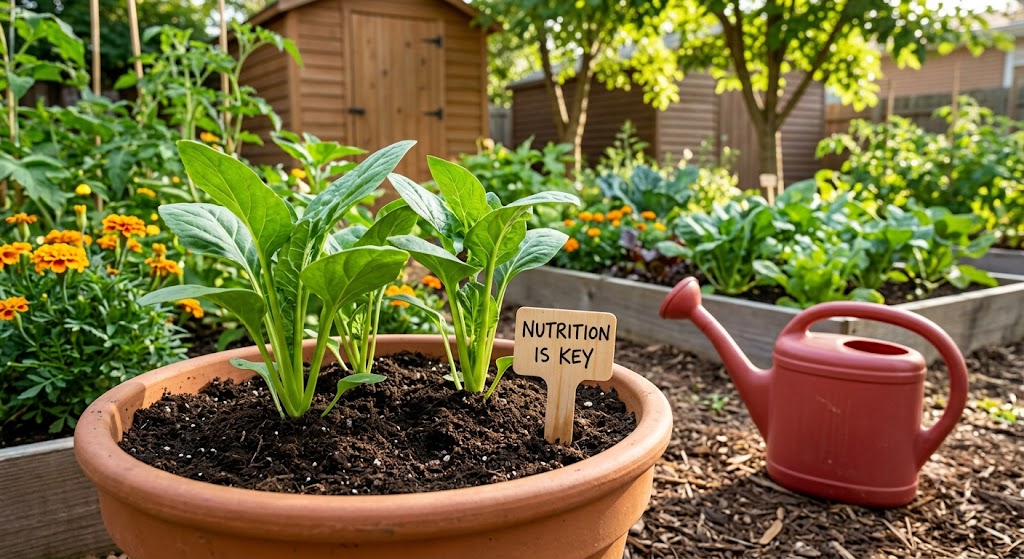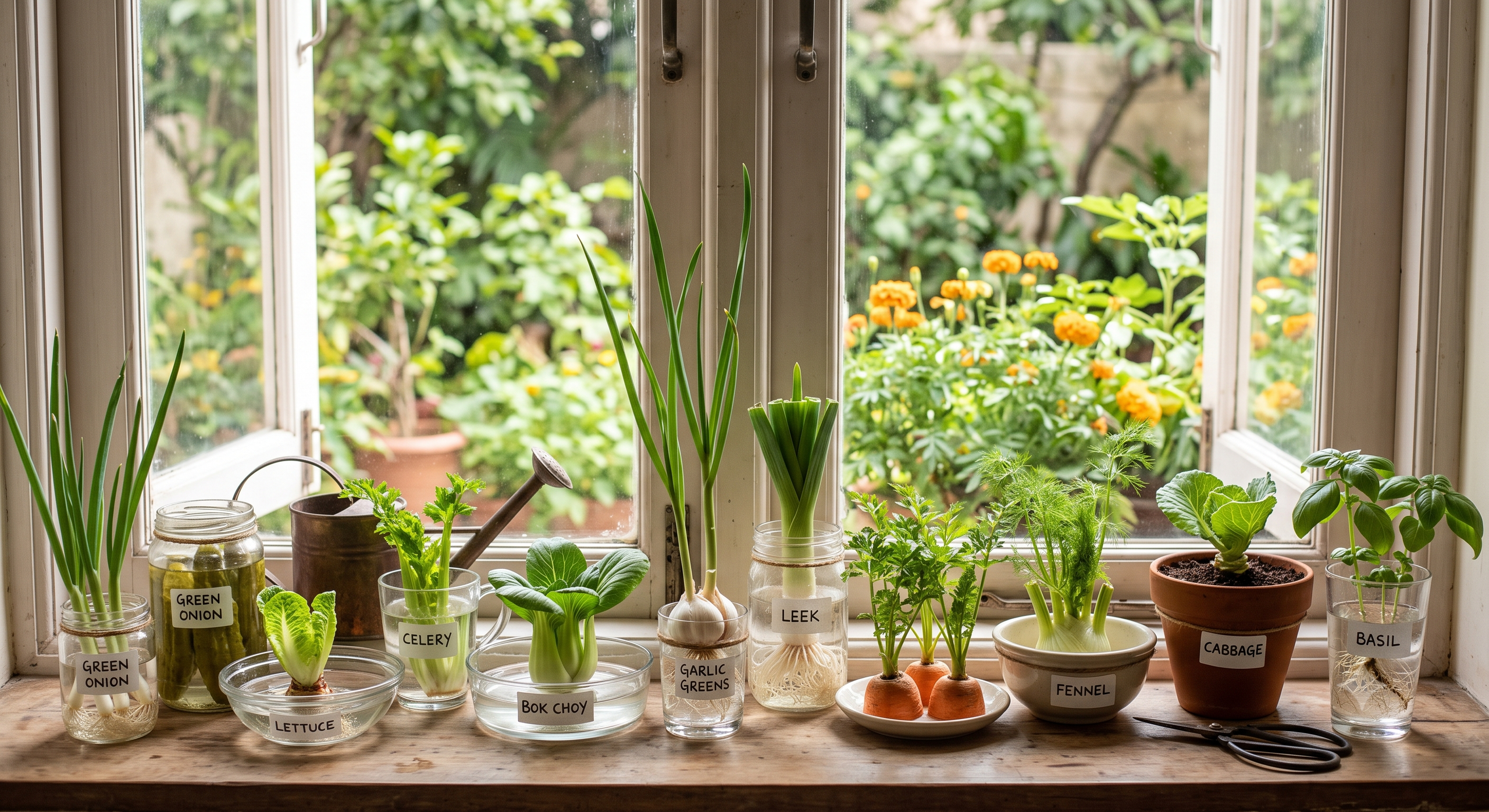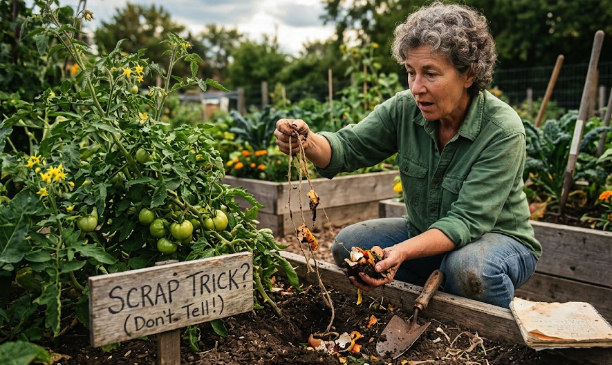
The $3 Kitchen Scrap Trick Gardeners Swear By (And Nobody Talks About)
Walk into almost any garden center and you’ll find a wall of fertilizers, many costing $15 to $30 a bag. Yet plenty of experienced gardeners quietly grow lush tomatoes, healthy herbs, and bright flowers using something most of us throw in the trash every day: kitchen scraps.
The “trick” isn’t a single magic ingredient. It’s a simple habit of turning food waste into plant food. It costs about $3 to set up, and once you understand how it works, you’ll never look at a banana peel the same way again.
What Is the Kitchen Scrap Trick?
The idea is to collect the scraps you’d normally discard and convert them into something plants can use, either as a liquid “scrap tea,” a homemade compost, or a soil amendment. Plants need three main nutrients: nitrogen (leafy growth), phosphorus (roots and blooms), and potassium (overall strength and fruiting). Many everyday scraps contain small amounts of these, along with useful micronutrients.
The $3 investment is usually a large bucket with a lid, a five-gallon container from a hardware store, or a couple of large jars. That’s it.
The Best Kitchen Scraps for Your Garden
Not all scraps are equal. Here are the most useful ones and what each one really does.
Banana peels. Banana peels contain potassium, which supports flowering and fruiting. They also contain small amounts of phosphorus and magnesium. Chop them into small pieces so they break down faster. Whole peels can take weeks to decompose in soil.
Coffee grounds. Used coffee grounds contain nitrogen and are a favorite of compost bins. One important note: fresh grounds are not a cure-all, and heavy layers can form a crust that repels water. Mix them lightly into soil or, better yet, add them to compost.
Eggshells. Eggshells are mostly calcium carbonate. Calcium matters for tomatoes, peppers, and squash. However, whole shells break down very slowly. Rinse, dry, and crush them into a fine powder for best results.
Vegetable cooking water. The water left after boiling or steaming vegetables (once cooled, unsalted) carries trace minerals. It’s a free way to give houseplants and containers a gentle boost.
Vegetable and fruit peelings. Carrot tops, lettuce ends, apple cores, and potato peels are all great compost material. They add organic matter that feeds soil life.
How to Make Scrap Tea in 5 Steps
Here’s an easy method for a mild liquid feed you can use on garden beds and containers.
- Collect scraps. Fill a bucket or large jar about one-third full with chopped banana peels, crushed eggshells, used coffee grounds, and vegetable trimmings.
- Add water. Fill the container with water, leaving a bit of space at the top. Rainwater is ideal, but tap water that has sat out for a day works well too.
- Steep. Cover loosely and let it sit for 3 to 7 days, stirring once a day. It will smell earthy, and sometimes a little funky. That’s normal.
- Strain. Pour the liquid through a sieve or old cloth. Save the solids for your compost pile or bury them in the garden.
- Dilute and use. Mix one part tea with about three parts water, then use it to water the base of your plants. Never use it undiluted, and don’t pour it over the leaves.
Use it every two to three weeks during the growing season. More is not better. Overfeeding can burn roots and encourage weak, leafy growth.
Which Plants Love This Method?
Scrap-based feeding tends to work well for:
- Tomatoes and peppers, which appreciate potassium and calcium
- Leafy greens like lettuce and spinach, which benefit from gentle nitrogen
- Herbs such as basil, mint, and parsley
- Flowering annuals like marigolds and petunias
- Houseplants, if the tea is well diluted and strained
Plants that prefer very lean soil, such as lavender, rosemary, and many succulents, generally don’t need extra feeding.
What Scraps You Should Never Use
This is the part many blogs skip, and it can save your garden.
- Meat, fish, and dairy. These attract pests, including rats and flies, and can smell terrible.
- Oily or greasy food. Fats slow decomposition and can create odor problems.
- Cooked leftovers with salt or sauces. Excess salt harms soil and plant roots.
- Citrus and onion in large amounts. Small quantities are fine in a healthy compost pile, but big amounts can slow decomposition.
- Diseased plants. Diseases like blight can survive and spread.
- Produce stickers and non-organic packaging. Remove them first.
Common Mistakes to Avoid
Using it too strong. If the liquid is dark like tea or coffee, dilute it more. Weak and often beats strong and rare.
Expecting overnight results. Kitchen scraps are gentle. They improve soil health and plant vigor over weeks, not days. A fast-growing crop won’t double in size in a weekend.
Believing every myth. You may have read that eggshells instantly cure blossom end rot in tomatoes. In reality, that problem is usually caused by uneven watering, which stops the plant from moving calcium to the fruit. Consistent watering matters more than shells.
Ignoring your soil. If your soil is very poor or compacted, scrap tea alone won’t fix it. Adding compost, mulch, and organic matter each season makes the biggest long-term difference.
Is It Really Cheaper Than Store-Bought Fertilizer?
For most home gardeners, yes. A bag of commercial fertilizer can cost $15 to $30 and needs replacing every season. A bucket and some jars cost a few dollars and are reusable for years, while the “ingredients” are things you were going to throw out anyway.
That said, be honest about the trade-offs. Store-bought fertilizers list exact nutrient ratios (like 10-10-10), so you know precisely what you’re giving your plants. Homemade options are less precise. For heavy feeders like corn or big vegetable beds, many gardeners combine both: compost and scrap tea for soil health, plus a measured organic fertilizer when needed.
Bonus: Turn It Into a Habit
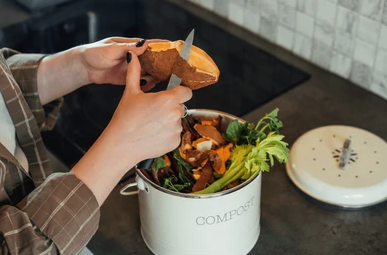
The easiest way to keep this going is to set up a small collection container on your counter. Toss in peels, grounds, and trimmings during the week, then carry them out to your bucket or compost bin every couple of days. Within a month, it’s automatic. You’ll also notice your kitchen trash bag fills more slowly.
Final Thoughts
The “kitchen scrap trick” isn’t really a secret. It’s a smarter way of looking at what’s already in your home. With a $3 bucket, a little patience, and a few common scraps, you can give your plants a steady, gentle supply of nutrients while cutting waste and saving money.
Start small. Try it on a few container plants or one garden bed, watch how your plants respond over a month, and adjust from there. Gardening rewards the people who observe and experiment, and your kitchen may already be your best supplier.