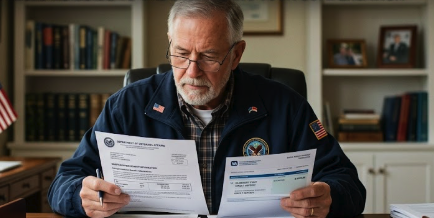
Serving in the U.S. military can come with benefits that continue long after leaving active duty.
But many veterans don’t realize how many programs are available through the Department of Veterans Affairs. Some provide free services, while others can reduce costs or provide financial support when specific eligibility requirements are met.
The important thing to remember is that not every veteran qualifies for every benefit. Eligibility can depend on factors such as discharge status, length and type of service, service-connected disabilities, income, age, and family circumstances.
Here are seven VA benefits and services worth checking if you’re a veteran.
1. VA Health Care
One of the most important benefits to investigate is VA health care.
Veterans who meet VA eligibility requirements may qualify for health care through the VA system. VA says eligibility generally depends on having served in active military, naval, or air service and not receiving a dishonorable discharge, along with other requirements that can apply depending on when and how you served.
There are also situations where veterans can receive care at no cost.
For example, VA says it provides free care for conditions determined to be connected to military service. Certain other services, including readjustment counseling and care related to military sexual trauma, may also be available at no cost.
What to do
Don’t assume you’re ineligible because you haven’t used VA health care before.
Check the VA’s current eligibility requirements and submit an application if you believe you qualify.
2. Free or Low-Cost Care for Service-Connected Conditions
If you have an illness or injury connected to your military service, you may qualify for VA disability compensation.
VA describes disability compensation as a monthly tax-free payment for veterans whose conditions were caused or aggravated by their military service.
This can include physical conditions as well as certain mental health conditions.
Importantly, you don’t necessarily need to have been injured during combat. A service-connected condition can include an illness or injury that developed because of military service or was made worse by it.
The PACT Act has also expanded access to VA health care and benefits for veterans exposed to burn pits and other toxic substances.
What to do
If you have a condition you believe is connected to your service, review VA’s disability eligibility requirements before assuming you don’t qualify.
3. Free Career and Education Guidance
Leaving the military doesn’t mean your career support has to end.
VA offers education and career resources for eligible veterans and their dependents.
One lesser-known option is Personalized Career Planning and Guidance, sometimes called Chapter 36. VA says this service can provide educational and career guidance, planning, and resources to eligible veterans and dependents.
Depending on your eligibility, VA education benefits may also help with college, training, or other approved educational programs.
Why it matters
You don’t have to wait until you’re struggling to find a job before using career resources.
Career counseling can help veterans identify civilian occupations that match their military experience and determine which education or training benefits may apply.
4. VA Home Loan Benefits
Veterans may also qualify for VA-backed home loan programs.
These programs can help eligible veterans and service members buy, build, improve, or refinance a home. VA also provides housing assistance for certain veterans with service-connected disabilities.
A VA home loan isn’t a free house or free cash. It is a lending benefit with eligibility and lender requirements.
However, the program can offer important advantages compared with some conventional financing options.
Veterans with certain service-connected disabilities may also qualify for a waiver of the VA funding fee, depending on their circumstances. VA’s benefit eligibility information lists this among benefits associated with qualifying disability ratings.
What to do
If you’re considering buying or refinancing a home, check your VA home-loan eligibility before choosing a mortgage.
5. Free Burial and Memorial Benefits
This is a benefit many families don’t think about until they suddenly need it.
Eligible veterans may receive burial and memorial benefits through VA.
These can include burial in a VA national cemetery, a government headstone or marker, and other memorial services.
VA says burial services and related benefits are available to eligible veterans, spouses, and dependents, subject to the applicable rules.
There may also be financial assistance toward certain burial and funeral expenses.
For example, VA currently lists burial allowances for qualifying deaths, with the amount depending on whether the death was service-connected and other eligibility requirements.
Why families should check early
Burial benefits aren’t something you want your family to discover only after a funeral has been arranged.
Eligible veterans can also plan ahead for burial in a VA national cemetery.
6. VA Life Insurance Options
Life insurance isn’t automatically free for every veteran, but VA offers several insurance programs that eligible veterans may be able to access.
One program is VALife, a guaranteed-acceptance whole-life insurance program for eligible veterans with service-connected disabilities. VA says veterans age 80 or under with a service-connected disability may qualify.
Another option is Veterans’ Group Life Insurance, or VGLI, which can allow eligible former service members to continue life insurance coverage after leaving the military, subject to premiums and eligibility requirements.
The important distinction is that these are insurance benefits, not automatically free insurance.
Some veterans may also qualify for premium-related benefits under specific circumstances.
What to do
If you previously had military life insurance, check your current VA insurance options rather than assuming your coverage ended when you left service.
7. VA Pension for Some Low-Income Veterans
Some veterans may qualify for a VA pension if they meet specific service, age, disability, and financial requirements.
VA describes pension as a monthly payment for certain wartime veterans with limited or no income who meet applicable age and disability requirements.
This is different from VA disability compensation.
A veteran can potentially qualify for pension based on financial and other eligibility requirements even when the benefit isn’t based on a service-connected disability.
What to do
If you’re an older veteran with limited income, check VA pension eligibility instead of assuming Social Security or other retirement income is the only assistance available.
A Bonus Benefit Many Veterans Overlook
Your VA benefits aren’t necessarily limited to you.
Depending on your circumstances, spouses, dependent children, and surviving family members may qualify for certain VA programs.
These can include health care, education benefits, home-loan programs, life insurance, burial benefits, and survivor-related assistance.
For example, certain surviving spouses may qualify for a VA-backed home loan, while eligible family members may qualify for education or health-related benefits.
That’s why it’s worth reviewing the benefits available to your entire household.
How to Check Your Benefits
You don’t need to guess which programs apply to you.
Start with your VA records and review your eligibility.
Make a simple checklist:
Health care
Do I qualify for VA health care?
Disability
Do I have a condition that may be connected to my service?
Education
Could I use GI Bill or career-planning benefits?
Housing
Am I eligible for a VA-backed home loan?
Life insurance
Do I qualify for VGLI, VALife, or another VA insurance program?
Family benefits
Could my spouse or children qualify for benefits?
Burial
Have I checked my burial and memorial eligibility?
You can also use VA’s benefits resources to review programs and applications in one place.
Don’t Assume “Free” Means Everyone Qualifies
The word free can be misleading when discussing government benefits.
Some VA services are provided at no cost to eligible veterans under particular circumstances. Other programs provide financial assistance, reduced costs, or valuable eligibility advantages but aren’t completely free.
For example, VA health care can be free for certain service-connected conditions, while other medical care may involve copayments depending on eligibility and priority group.
Similarly, a VA home loan isn’t free money—it is a mortgage program with specific requirements.
That’s why checking your individual eligibility is more important than simply looking at a list of benefits.
Final Thoughts
Veterans may have access to far more assistance than they realize.
VA health care, disability compensation, career and education guidance, home-loan benefits, burial services, life insurance programs, and VA pensions can all play an important role depending on a veteran’s circumstances.
The biggest mistake is assuming that because you haven’t used a particular benefit before, you aren’t eligible for it.
Check your eligibility. Review your records. And look at benefits for your family, too.
For the most accurate and current requirements, use official VA resources before making financial or benefits decisions.