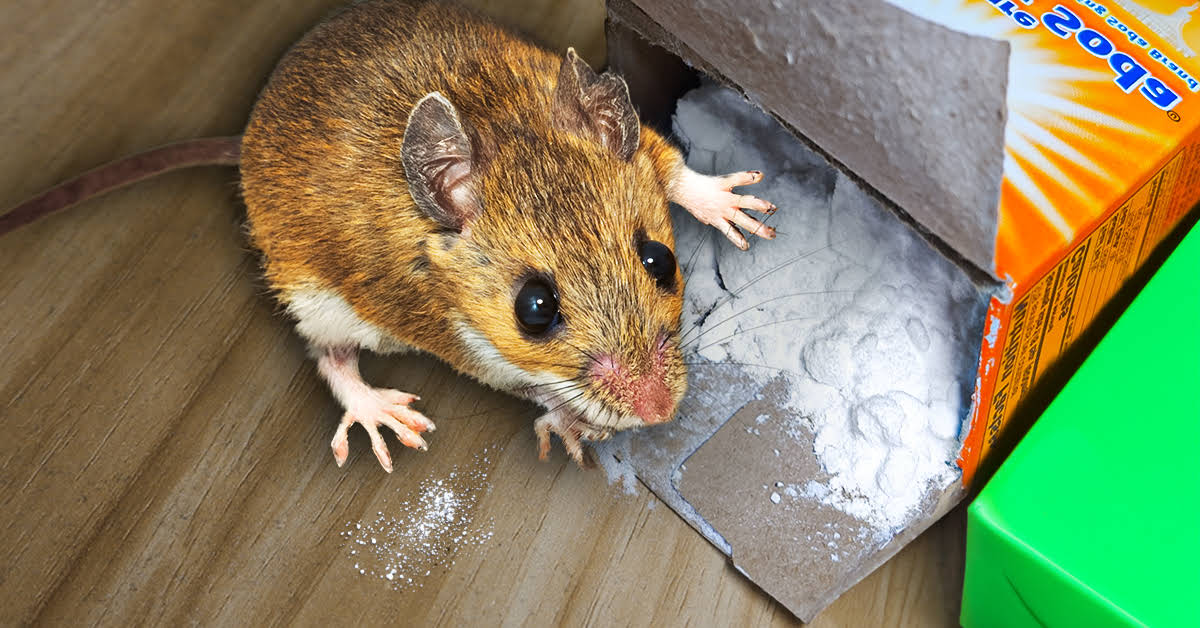
Seeing a mouse or rat inside your home can be unsettling. Even if you only spot one, it may be a sign that rodents have found an easy source of food, water, or shelter nearby.
The good news is that you can take several practical steps to make your home much less attractive to mice and rats.
1. Seal Their Entry Points
Mice can squeeze through surprisingly small openings. Check around doors, windows, pipes, vents, foundations, and areas where cables enter the house.
Seal suitable gaps with durable materials such as metal mesh or steel wool combined with an appropriate sealant. Don’t rely on soft materials that rodents can easily chew through.
2. Remove Easy Food Sources
Rodents are excellent opportunistic feeders. Store food in tightly sealed containers and avoid leaving pet food out overnight.
Keep countertops and floors free from crumbs, and make sure garbage containers have secure lids.
3. Keep Your Kitchen Clean
Regularly clean areas underneath appliances and furniture where food particles can accumulate. Pay particular attention to spaces around refrigerators, ovens, and cabinets.
Even small amounts of food can attract rodents.
4. Reduce Clutter
Stacks of cardboard boxes, newspapers, fabric, and other clutter can provide excellent hiding and nesting areas.
Keep storage areas organized and, where practical, use sealed plastic containers instead of cardboard boxes.
5. Check for Water Sources
Rodents need water as well as food. Fix leaking faucets and pipes and address areas where moisture regularly collects.
Don’t forget to check less obvious locations such as under sinks, behind appliances, and around utility areas.
6. Use Traps Carefully
Traditional snap traps can be an effective way to control mice when placed correctly. Position traps along walls or near areas where you’ve noticed signs of rodent activity.
Keep traps away from children and pets, and follow the manufacturer’s instructions.
7. Don’t Ignore Droppings
Small dark droppings, gnaw marks, shredded materials, scratching sounds, or unusual odors can all indicate rodent activity.
If you find droppings, avoid sweeping or vacuuming them while they’re dry. Wear appropriate protective equipment and follow local public-health guidance for cleaning contaminated areas.
8. Inspect the Outside of Your Home
Rodent control isn’t just an indoor job. Keep vegetation trimmed away from buildings, remove unnecessary debris, and avoid leaving piles of materials against exterior walls.
Also inspect sheds, garages, and other structures where rodents may find shelter.
When Should You Call a Professional?
If you continue seeing rodents despite taking preventive measures, discover a large infestation, or find evidence that rodents have entered inaccessible areas such as walls or ceilings, professional pest control may be the safest and most effective option.
The Bottom Line
Getting rid of mice and rats isn’t just about catching the rodents you can see. The long-term solution is to remove access to food, water, and shelter while sealing the ways they get inside.
A clean, well-sealed home makes your property considerably less inviting to unwanted rodents—and can help prevent the problem from returning.